
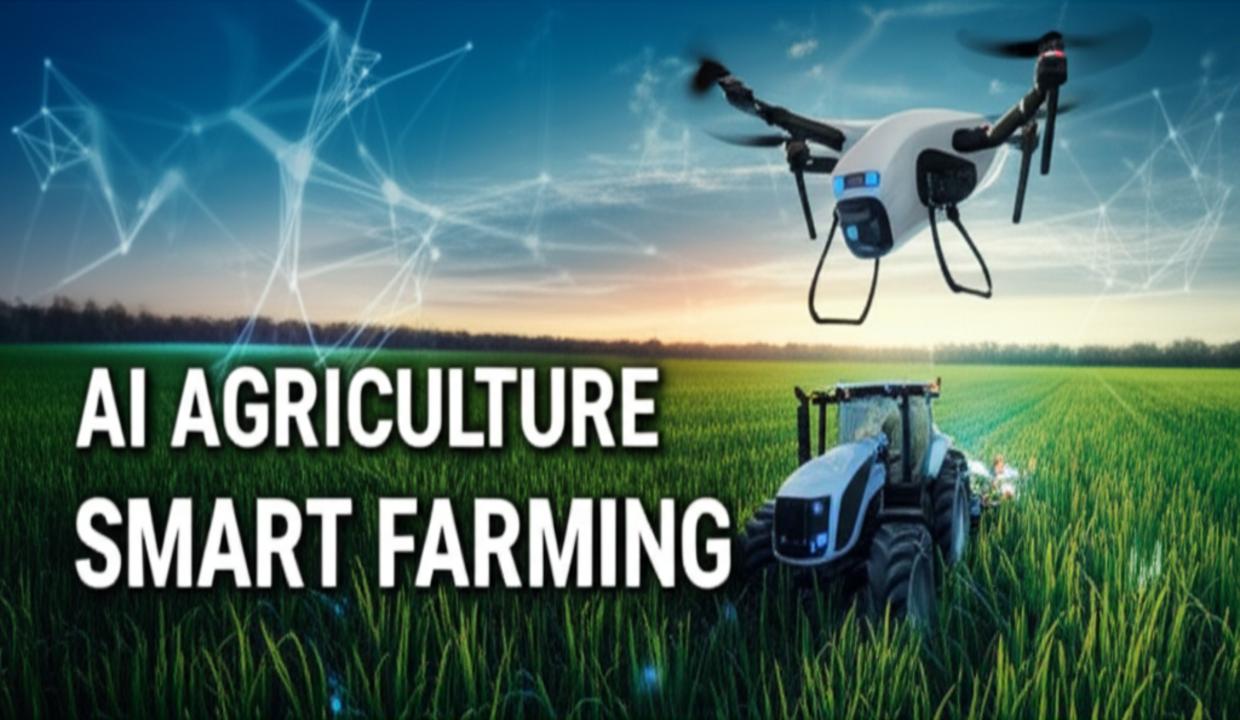
Welcome to the forefront of agricultural innovation! Imagine a world where farms operate with unparalleled efficiency, where every drop of water counts, and every plant thrives. This isn’t a futuristic fantasy; it’s the reality being shaped by AI in agriculture. We’re on the cusp of a farming revolution, moving beyond traditional methods to embrace intelligent systems that promise higher yields, less waste, and a more sustainable future for our planet.
This comprehensive guide dives deep into the most groundbreaking smart farming innovations powered by artificial intelligence. From self-driving tractors to advanced disease detection for crops and livestock, we’ll explore how agricultural innovations are transforming the way we grow our food. Get ready to discover the incredible potential of precision agriculture and the cutting-edge farm tech leading the charge into a new era of food production.
Unlocking the Future of Agriculture: Why AI Matters
AI in agriculture is more than just a buzzword; it represents a fundamental shift in how we approach food production. It leverages advanced technologies like big data, IoT sensors, drones, robotics, and machine learning to transform farming into a remarkably efficient, sustainable, and precise practice. This intelligent integration allows farmers to make data-driven decisions, optimizing every aspect of their operations.
The goal is clear: to feed a growing global population while minimizing environmental impact and labor dependency. By embracing these sophisticated tools, farms can become highly responsive ecosystems, capable of adapting to changing conditions and maximizing productivity. It’s about working smarter, not just harder, and ensuring the resilience of our food supply for generations to come.
The Pillars of AI in Agriculture: Core Innovations
The application of AI across the agricultural landscape is vast and incredibly diverse. These innovations are reshaping everything from how we monitor our fields to how we manage our livestock. Let’s delve into the key areas where AI is making the biggest difference right now.
Precision Crop Monitoring and Management
One of the most immediate and impactful applications of AI in agriculture is real-time crop monitoring. AI analyzes vast amounts of data collected from IoT sensors embedded in the soil and high-resolution images captured by drones flying overhead. This data provides granular insights into crucial factors such as soil nutrient levels, irrigation needs, the early signs of pest infestations, and the onset of crop diseases.
Farmers can then use these insights to target interventions precisely. Instead of applying water or pesticides uniformly across an entire field, they can address specific areas that need attention. This level of precision agriculture significantly reduces resource waste, leading to substantial savings on water, fertilizers, and chemicals, while promoting healthier crops.
Predictive Analytics for Smarter Decisions
Imagine knowing the optimal moment to plant your seeds or when to expect the highest yield from your harvest. This is the power of predictive analytics, a cornerstone of modern smart farming. AI models continuously crunch massive datasets, combining real-time weather patterns, historical climate data, current soil conditions, and past crop performance records.
Based on this comprehensive analysis, AI can forecast the ideal times for planting, fertilizing, irrigating, and harvesting. This proactive approach helps farmers optimize their schedules, improve overall yields, and significantly minimize potential losses due to adverse weather or suboptimal timing. It’s like having an intelligent farming consultant working for you 24/7.
Robotics and Automation: The New Farm Workforce
The agricultural sector often faces significant labor shortages, especially for tasks that are repetitive, physically demanding, or require extreme precision. This is where agricultural robotics and intelligent automation step in. Autonomous tractors, for instance, can navigate fields with incredible accuracy, performing tasks like plowing, seeding, and spraying with minimal human oversight.
Smaller, specialized agricultural robots are designed for more intricate tasks such as precision weeding, individual plant picking, and targeted pest control. These robots can operate for longer hours than human workers, offering higher precision and consistency. This farm tech not only addresses labor challenges but also boosts efficiency and reduces operational costs in the long run.
Advanced Livestock Health and Welfare
AI isn’t just for crops; it’s revolutionizing livestock management too. AI-powered cameras and sensors are being deployed in barns and pastures to continuously monitor animal behavior and health remotely. These systems can detect subtle changes in movement, feeding patterns, or body temperature that might indicate the early stages of a disease or distress.
Early detection allows farmers to intervene quickly, preventing outbreaks, reducing medication use, and improving animal welfare. This proactive health monitoring enhances overall productivity, ensures the well-being of the animals, and leads to a more sustainable and ethical approach to livestock farming. It’s a game-changer for farm animal management.
Optimizing the Agricultural Supply Chain and Sustainability
Beyond the farm gate, AI plays a crucial role in optimizing the entire agricultural supply chain. By forecasting demand and identifying potential bottlenecks, AI improves logistics, reduces waste, and ensures that produce reaches consumers efficiently. This enhances profitability for farmers and ensures fresher products for consumers.
Furthermore, AI is a powerful tool for promoting sustainability. Generative AI, for example, is accelerating crop breeding programs, helping scientists develop new crop varieties that are more resilient to climate change, pests, and diseases. AI also supports regenerative agriculture practices through continuous soil health monitoring and analysis of carbon capture, making farms eligible for carbon credit programs and contributing to global climate adaptation efforts. This focus on environmental impact makes AI in agriculture a key player in building a greener future.
Latest Advancements Shaping Smart Farming in 2025
The pace of innovation in farm tech is accelerating rapidly. Recent advances are pushing the boundaries of what’s possible, making smart farming even more sophisticated and impactful. One significant development is the seamless combination of AI with big data analytics.
This synergy allows for the extraction of highly actionable insights from vast, complex datasets, moving beyond simple monitoring to prescriptive actions. Another key advancement is the widespread adoption of Variable Rate Technology (VRT). This AI-driven system precisely applies water, fertilizers, and other inputs only where and when they are needed, further minimizing waste.
Additionally, AI-driven yield prediction models have become incredibly accurate, aiding farmers in strategic market planning and financial forecasting. These innovations collectively increase productivity, reduce environmental impact, and decrease labor dependency, marking a significant shift toward smart, climate-resilient, and truly sustainable farming practices. For more insights on cutting-edge developments, you might explore detailed articles on artificial intelligence in agriculture.
The Transformative Impact: Benefits of AI-Driven Farming
The adoption of AI in agriculture brings a multitude of benefits that extend far beyond the immediate gains in efficiency. Fundamentally, these technologies contribute to enhanced food security by boosting crop yields and ensuring more reliable harvests, even in the face of environmental challenges. Farmers experience significant cost savings by reducing the wasteful use of water, fertilizers, and pesticides, thanks to precision applications.
Environmentally, smart farming practices lead to a smaller carbon footprint, conserve precious natural resources, and mitigate the risks of soil degradation and water pollution. The integration of advanced farm tech also improves worker safety by automating hazardous tasks and reduces the reliance on manual labor, addressing critical workforce shortages. Ultimately, AI fosters a more resilient, profitable, and ecologically responsible agricultural sector for everyone.
Challenges and the Road Ahead
While the benefits of AI in agriculture are immense, widespread adoption isn’t without its challenges. The initial investment in farm tech can be substantial, making it difficult for smaller farms to transition. There’s also a steep learning curve for farmers who need to operate and interpret data from these complex systems. Data privacy and cybersecurity are growing concerns, as agricultural data becomes increasingly valuable.
Furthermore, reliable internet connectivity in rural areas remains a barrier for many advanced AI systems that rely on cloud computing and real-time data transfer. Addressing these challenges will require collaborative efforts from technology providers, policymakers, and agricultural communities to ensure that the promise of smart farming is accessible and beneficial to all. For a deeper dive into the challenges and solutions related to securing agricultural AI, consider reading articles on AI in agriculture for smarter crops and healthier livestock.
Pros and Cons of Adopting AI in Agriculture
| Pros | Cons |
|---|---|
| Increased crop yields and livestock productivity. | High initial investment costs for technology. |
| Significant reduction in resource waste (water, fertilizers, pesticides). | Requires specialized skills and training for farmers. |
| Improved decision-making through predictive analytics. | Dependence on robust internet connectivity in rural areas. |
| Reduced labor dependency and improved worker safety. | Concerns regarding data privacy and cybersecurity. |
| Enhanced environmental sustainability and carbon footprint reduction. | Potential for job displacement in traditional farming roles. |
| Better disease detection and animal welfare. | Maintenance and repair costs for complex machinery. |
FAQ
- What is AI in agriculture?
AI in agriculture involves using artificial intelligence technologies like machine learning, computer vision, and robotics to improve farming practices. This includes tasks such as analyzing data from sensors, automating farm machinery, monitoring crop health, and managing livestock, all aimed at increasing efficiency and sustainability.
- How does smart farming increase yields?
Smart farming increases yields through precision agriculture. AI analyzes data to optimize planting, irrigation, and fertilization, ensuring crops receive exactly what they need. It also predicts optimal harvest times and detects diseases early, preventing losses and maximizing productivity per acre.
- What are some examples of farm tech?
Modern farm tech examples include autonomous tractors, drones for aerial surveying and spraying, IoT sensors for soil and crop monitoring, AI-powered systems for yield prediction, robotic harvesters, and smart irrigation systems. These tools collectively enhance operational efficiency and resource management.
- How does AI contribute to sustainable agriculture?
AI contributes to sustainable agriculture by minimizing waste of resources like water and fertilizers through precise application. It supports regenerative farming practices by monitoring soil health, enables the breeding of climate-resilient crops, and helps reduce the carbon footprint of agricultural operations, fostering long-term environmental balance.
Conclusion
The journey towards a future powered by AI in agriculture is well underway, promising unprecedented efficiency, sustainability, and resilience for our global food systems. From precision agriculture and predictive analytics to advanced robotics and real-time livestock monitoring, these smart farming innovations are fundamentally reshaping the landscape of food production. While challenges remain, the transformative benefits in productivity, environmental stewardship, and resource management make AI an indispensable tool for feeding a growing population sustainably.
Embracing this cutting-edge farm tech is not just an option but a necessity for modern agriculture. The future of farming is intelligent, interconnected, and highly optimized, thanks to the power of AI. We encourage you to explore more about these exciting developments and how they are impacting our world. Feel free to share your thoughts in the comments below or learn more About Us and explore other articles on our site. You can also Contact us for more information. #SmartFarming
Watch More in This Video
For a recent visual overview, a 2025 YouTube video titled “AI in Agriculture: Transforming Farming for a Sustainable Future” provides an up-to-date summary of these technologies and their benefits across the farming lifecycle. While the specific embed code for “your_video_id” is a placeholder, this is where a relevant video would appear.
Disclaimer: All images and videos are sourced from public platforms like Google and YouTube. If any content belongs to you and you want credit or removal, please inform us via our contact page.